
Professional Battery Solutions for Ventilators
Reliable power for your ventilator equipment, ensuring continuous respiratory support, patient safety, and stable operation in all clinical and emergency environments.
The Application of Ventilators
Ventilators are essential equipment widely used in ICUs, emergency departments, operating rooms, ambulances, isolation wards, and home respiratory therapy. In hospitals, ventilators provide life-sustaining breathing support for critically ill patients, where uninterrupted power and stable airflow control are crucial. In ambulances and emergency transport, portable ventilators rely on high-performance batteries to maintain consistent ventilation during patient transfer. In home care, ventilators support long-term respiratory treatment for patients with chronic lung diseases, requiring safe, quiet, and long-runtime battery systems.
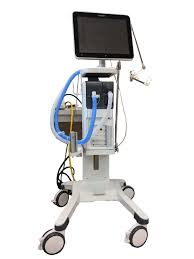
Ventilators are vital devices in modern healthcare, where reliability and continuous operation directly impact patient survival. As demand for portable, intelligent, and long-duration ventilators continues to increase, the need for high-quality, safe, and durable battery systems grows rapidly.
LargePower specializes in advanced lithium battery solutions for ventilators, offering long cycle life, stable voltage output, rapid charging, and intelligent safety management to ensure uninterrupted respiratory support across all medical environments.
KRL PowerCore Technology
Main Product Categories
Our industry-leading lithium battery solutions for ventilators are widely used in ICUs, emergency medical services, ambulances, respiratory care units, and home oxygen/ventilation therapy.
Strategic partners include global respiratory equipment manufacturers, ensuring stable airflow output, long-term reliability, and seamless integration for diverse ventilator applications.
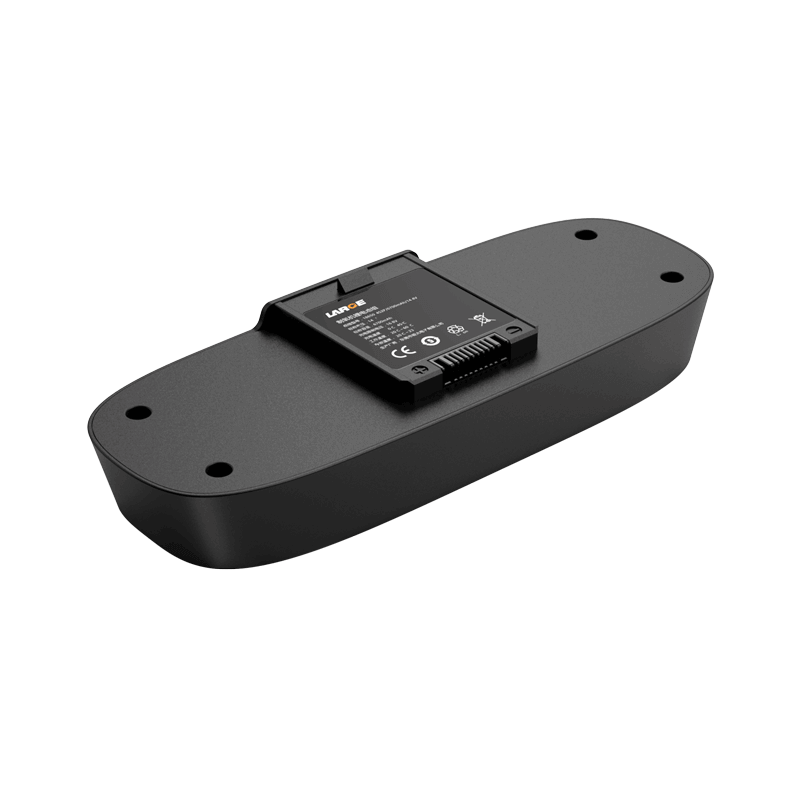
18650 14.4V 6700mAh lithium battery pack for oxygen concentrators
Our custom low-temperature batteries are designed to perform in extreme cold conditions, ensuring reliable power output for your specific application needs.
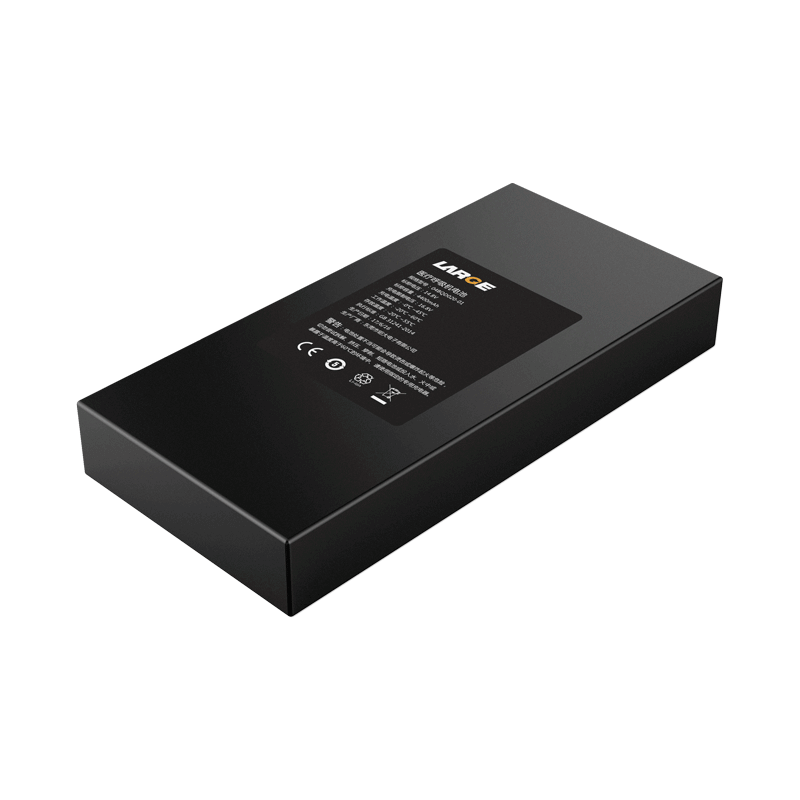
14.8V 4400mAh 18650 medical ventilator ternary lithium battery
14.8V 4400mAh lithium battery pack with UR18650 cells, compact 155×75×22mm design, reliable GB/T 18287-2000 standard, stable power for devices.
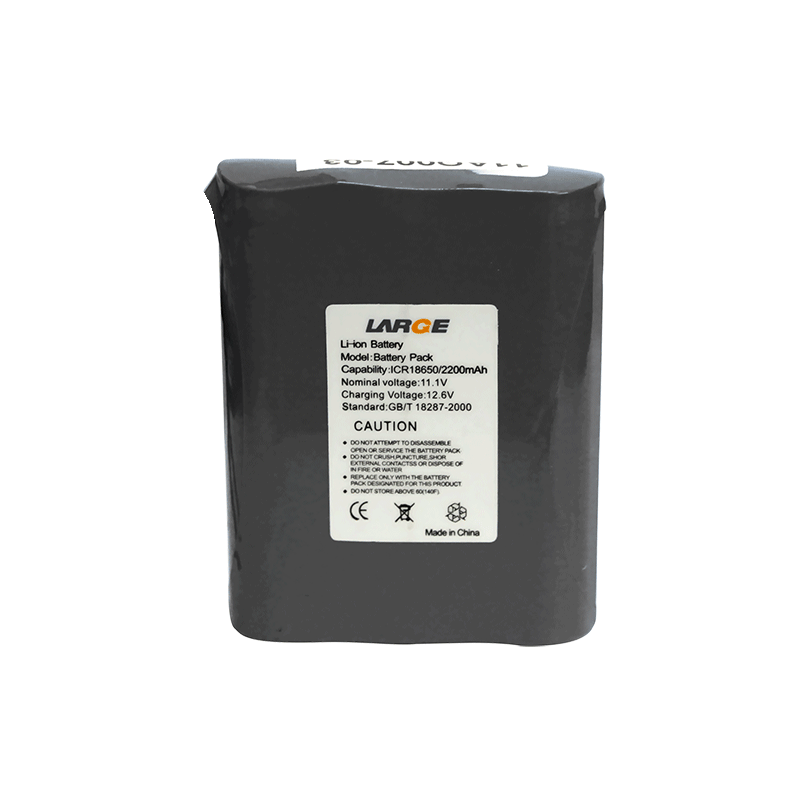
11.1V 2200mAh 18650 lithium battery pack for respirators
11.1V 2200mAh lithium battery pack, compact 71×56×19mm, reliable 18650-3S1P design, GB/T 18287-2000 standard, stable power and safe storage.
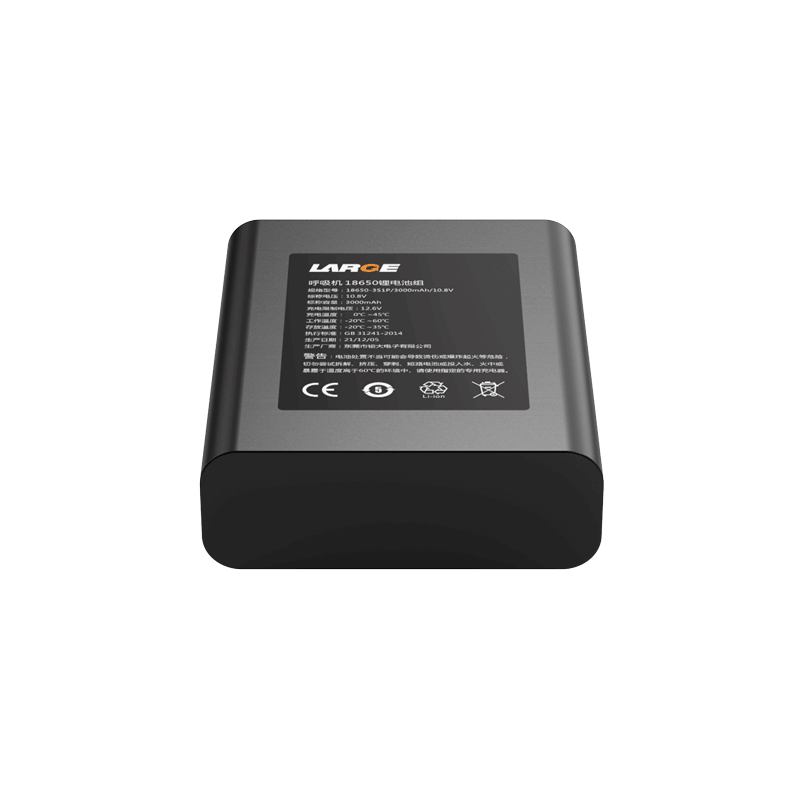
10.8V 3180mAh breathing machine 18650 lithium battery pack
10.8V 3180mAh lithium battery pack with NCR18650BD cells, 160g compact design, smart BMS protection, reliable power solution for ventilators.
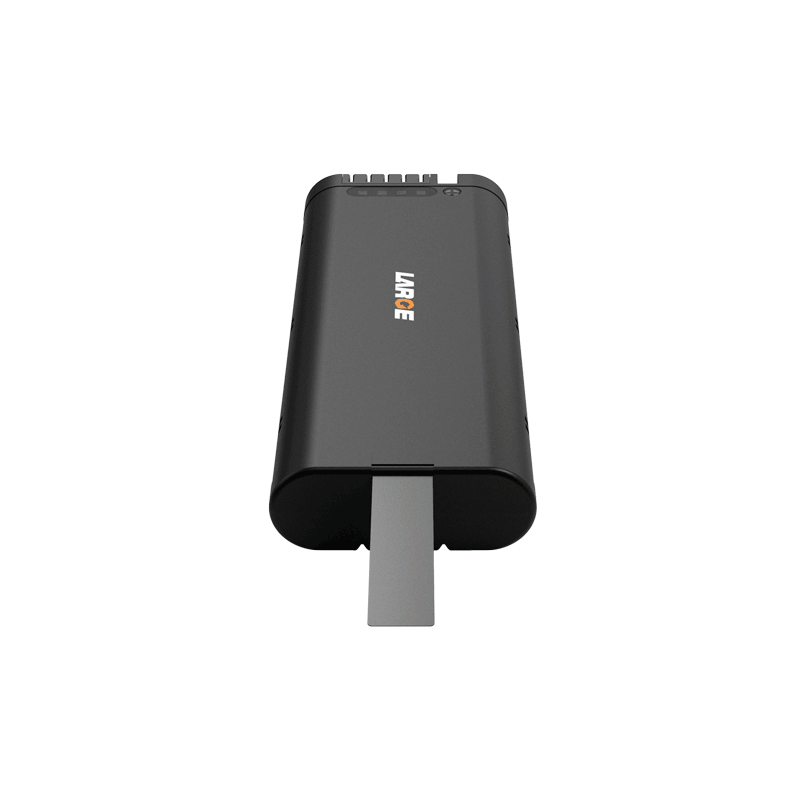
10.8V 6.4Ah 18650 Samsung medical ventilator ternary lithium battery pack
10.8V 6.4Ah medical ventilator lithium battery pack, industrial-grade casing, SMBus communication, high-safety 18650 cells, stable power and long cycle life.
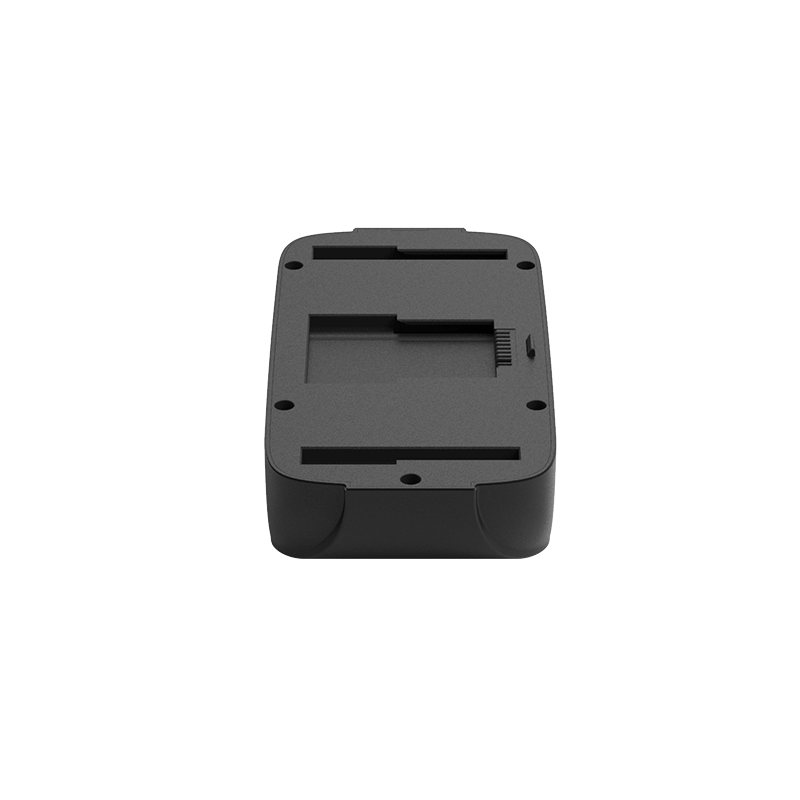
18650 14.4V 6.7Ah Breathing Machine Lithium Battery Pack
14.4V 6.7Ah lithium battery pack with 18650 cells, SMBUS communication, advanced BMS protection, long cycle life, ideal for ventilators and handheld medical devices.
Why Choose LargePower Delivery Robot Batteries
Certified to ISO13485 and compliant with IEC60601-1 safety standards, ensuring safe and reliable power for life-sustaining respiratory devices.
High-energy-density ventilator batteries support 6–12 hours of continuous respiratory support depending on ventilation mode and airflow settings.
Designed for critical breathing equipment, ensuring consistent airflow delivery and preventing pressure fluctuations.
Multiple Safety Protections
Overcharge, over-discharge, overcurrent, short circuit, and temperature protection ensure safe ventilator operation in all conditions.
Smart Power Management
Accurate remaining power indication, low-battery alarms, and automatic protection modes prevent respiratory interruption.
Fast Charging Technology
Reaches full charge in 2–3 hours, ideal for high-demand ICU environments and emergency patient transport.
Product Comparison
LargePower ventilator batteries versus standard batteries
| Feature | LargePower Ventilator Battery | Standard Lithium Battery | Advantage |
|---|---|---|---|
| Safety Certification | ISO13485, IEC60601-1 | No medical-grade certification | Meets respiratory device standards |
| Voltage Stability | Highly stable airflow support | Possible voltage fluctuation | Prevents ventilation interruption |
| Runtime | 6–12 hours | 3–5 hours | Up to 2× longer respiratory support |
| Cycle Life | 1500+ cycles | 500–800 cycles | +100% longer lifespan |
| Charge Time | 2–3 hours | 4–6 hours | 50% faster recovery |
| EMC Compatibility | Low interference, safe for sensors | May disrupt monitoring accuracy | Ensures safe clinical use |
WHAT OUR PARTNERS SAY
Join the Ventilator Power Revolution
Are You Ready To Upgrade Your Ventilator Project?
We conduct comprehensive testing on ventilator systems and power modules to ensure continuous airflow output, patient safety, and long-term clinical stability. With a reliable supply chain and customizable solutions, we ensure consistent delivery—where respiratory safety meets advanced medical engineering.
Relevant Guidelines
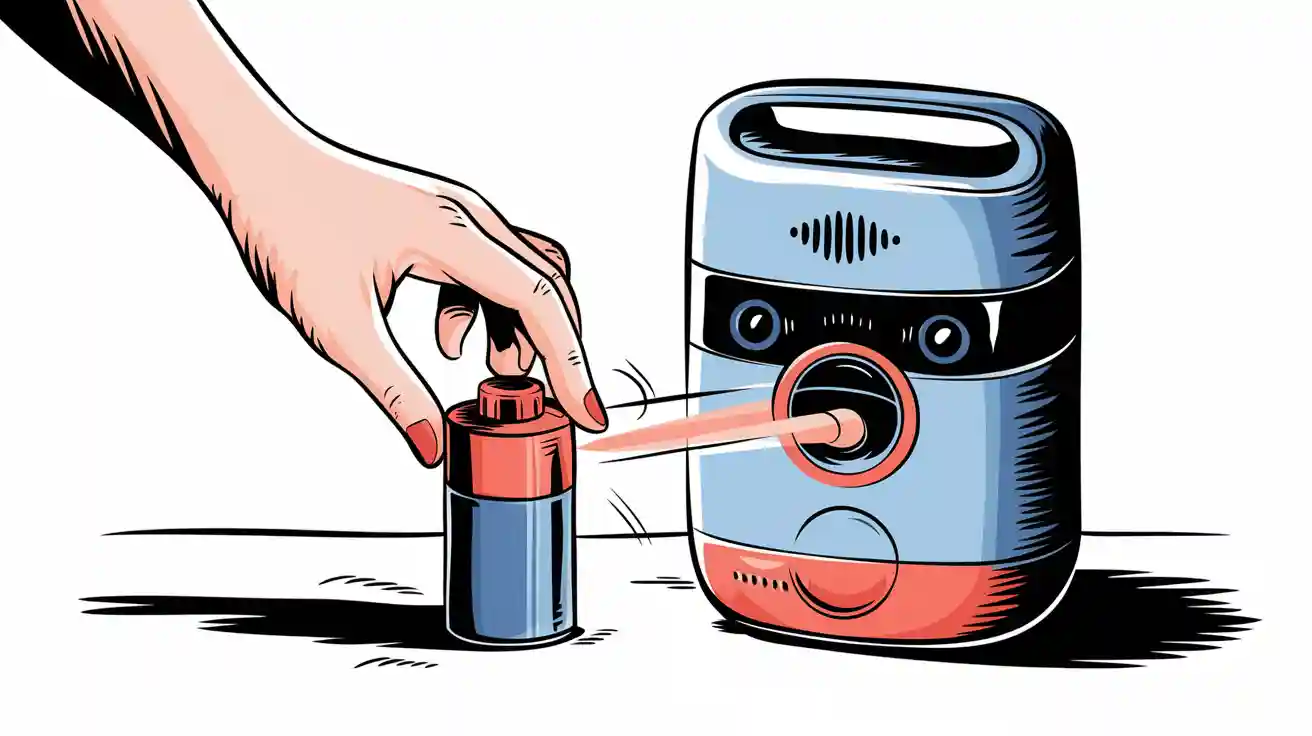
Lightweight and Compact Battery Designs for Portable Oxygen Concentrators
Why Choose Custom Lithium Battery Packs for Oxygen Concentrator
A Side-by-Side Look at Leading Portable Oxygen Concentrator Battery Packs
How Battery Pack Design Influences Portable Oxygen Concentrator Performance
Choosing the Safest and Most Reliable Lithium Battery for Oxygen Generators
Ventilators battery FAQ
How can a custom battery pack for a medical ventilator be built?
What safety standards apply to custom ventilator batteries?
- IEC 60601-1 (general medical electrical equipment safety)
- IEC 62133 (battery safety)
- UN38.3 (transport certification)
- ISO 13485 (medical device quality management) Technical articles often summarize how these regulations apply to both OEM and custom-built ventilator power systems.
Which companies manufacture custom medical device batteries?
What are the pros and cons of custom ventilator batteries compared to OEM replacements?
- Certified and fully compatible
- Higher cost
- Covered under manufacturer warranty
- Flexible capacity and chemistry
- Useful for discontinued ventilators
- May require additional certification review Comparison tables are often used by biomedical engineers to evaluate both options.
Are custom battery options available for Philips Respironics V60 ventilators?
Is there a customization guide for biomedical technicians working on ventilator batteries?
How can ventilator battery life be extended?
What are the risks of using non-certified ventilator batteries?
- Inconsistent output during critical ventilation events
- Compatibility issues with ventilator firmware
- Reduced runtime
- Legal liability in clinical settings These concerns are commonly addressed in FAQ pages on medical battery safety.
How do you design a bespoke power supply for ventilators?
Lithium-ion vs sealed lead-acid for portable ventilators—what’s better?
- Energy density (Li-ion is higher)
- Weight (Li-ion is lighter)
- Cycle life (Li-ion longer, SLA shorter)
- Cost (SLA cheaper)
- Thermal behavior Comparison tables help procurement teams select the appropriate chemistry.
How do hospitals source high-capacity battery packs for ventilators?
- Providing compliance documentation
- Supporting batch production
- Ensuring consistent quality Buyer guides often compare manufacturers specializing in ventilator, ICU, and transport-use power systems.
Are custom lithium-ion battery packs available for ventilators?
What tools and components are required to assemble a ventilator battery?
- Appropriate cell type
- BMS or PCM protection board
- Medical-grade connectors
- Insulation and housing materials
- Thermal protection components
- Spot welding and assembly tools Biomedical technicians rely on such checklists to ensure safe assembly.